How To Explain Bean To Coffee Machines To Your Mom
Bean to Coffee Machines A bean to coffee machine is a commercial machine which automatically grinds beans and serves milk-based drinks such as cappuccino and the latte. They also texturize the milk to make creamy drinks. They do not require training for personnel to operate. Pre-sets are available that allow you to save and adjust coffee settings so that your employees and customers can enjoy a delicious cup every time. Cost Bean to coffee machines can be more expensive than pod-based models. This is due to the fact that it needs to grind and prepare the beans before the brewing process, in addition to being more sophisticated in terms of features such as milk-frothing capabilities. The machine will save you money in the long run by removing the need to buy coffee pods. With a machine that makes coffee you'll also save money on coffee-related equipment, since a lot of models come with built-in grinders and milk-steamers. Some models are smaller and more convenient for those who have small spaces. A bean-to-cup machine can also be environmentally friendly as it reduces the amount of waste produced and eliminates the need for pre-packaged pods. Bean-to-cup machines are able to make a variety of drinks, such as espressos, cappuccinos and flat whites. They are designed to work without the need for staff training and can be set up with pre-programmed drink options. This is ideal for restaurants and bars because baristas can concentrate on other duties. Another advantage of a bean to cup machine is the ability to grind the correct amount of beans for each cup. This ensures each cup of coffee is consistent in the aroma and taste. It can also eliminate problems with pod coffee or preground, such a incorrect tamping or uneven extraction. Although the initial purchase of a bean-to-cup coffee machine might be more expensive than a pod-based model, it can save money in the long run. Coffee beans are generally cheaper than coffee pods and a bean-to-cup coffee machine can reduce the cost of compatible capsules. Furthermore, the majority of models of bean-to-cup coffee makers are designed to be simple to clean and maintain. They are more efficient in cleaning and descale than pod-based machines, and can detect when they need a deeper clean or descale. Some models even remind you to complete these maintenance tasks. It is important to carefully follow the directions provided by the manufacturer, as non-compatible cleaning or descaling solutions may invalidate your warranty. Convenience Bean to cup machines are a great solution for both home and workplaces. They save time and money by eliminating the necessity for pods or other coffee waste. They also make beautiful consistent cups of coffee without the need for training of staff. This is particularly useful for bars and restaurants where staff are often pressed for time to prepare coffee. These machines are also able to allow users to customize the strength of their coffee and select their own drink recipe. They also eliminate the requirement for separate grinders, saving space and money on equipment. Instead, they utilize an integrated grinder that grinds whole beans on-demand to ensure the most flavor and aroma. They can also heat and texturize milk at any time to make a variety of drinks, including cappuccinos, lattes and flat whites. A bean-to-cup machine has the advantage of removing the need for paper coffee filters and pods. This means less the amount of waste and the cost of replacements are reduced. They are also more sustainable than traditional coffee machines. These machines can only grind the amount of coffee beans needed to make a particular drink and there is no waste. In addition, these fully automated machines can help businesses reduce their environmental impact. Bean-to-cup machines in the US can help businesses save up to $120 per month by cutting down on the amount they produce. The technology is gaining traction in the retail industry as well as there are a rising number of convenience stores including them in their menus. They offer a superior service to customers and boost the sales of other items like soft drinks and snacks. Bean-to-cup machines cost more in the beginning than pod machines. It is essential to weigh the financial risks and benefits before you purchase one. These machines are typically lease on an ongoing basis, making them an excellent choice for small-scale companies. This is a great way to try out the machine before investing in it permanently. Variety of coffees Bean to cup machines aren't limited to a small number of flavors like pod machines. They can offer a variety of combinations. These machines grind whole coffee beans and make the brew in a cup that you choose and give you the similar experience of barista-prepared drinks. This is ideal for people who like to make drinks with fresh, high-quality ingredients. The machine allows you to taste different flavors, such as hot tea or chocolate. Bean-to-cup coffee machines have an advantage over pod-based coffee machines in that they don't require the use of disposable plastic capsules. This is a crucial factor to consider if you're concerned about the environmental impact of your office's coffee consumption. Bean-to-cup machines typically use ground coffee instead of pods that are pre-packaged. They create less waste. These machines can also use various beans, including standard varieties and more exotic ones. There are many choices, from the well-known Blue Mountain Jamaican coffee to the obscure Kopi Luwak. These machines are simple to operate and produce various coffees. The coffee machines are equipped with an internal grinder, which ensures that the coffee is freshly prepared each time. They can also grind the beans automatically to the correct consistency. This makes the machine more efficient than a manual grinder, and also lets you manage the strength of your beverage. Furthermore the machine can be programmed to dispensing a certain amount of water, based on the coffee you pick. Many modern bean-to cup machines can be connected to the internet, allowing users to access them from anywhere. This is particularly useful in offices where employees are constantly moving and can't be present to make coffee. This is a great method to increase satisfaction and productivity in the workplace. Bean-to-cup machines cost more upfront, but they can save you money over time by reducing the amount of espressos made by baristas. Additionally they are much easier to maintain than pod-based coffee machines. 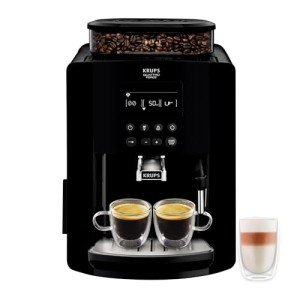 Maintenance As opposed to pod machines, bean-to cup coffee machines make use of fresh milk and beans to create the beverage. They also make drinks that have a delicious flavour. However, they are more expensive to run because they require a larger initial investment. They also require regular maintenance and cleaning to keep them running correctly. Inability to clean the machine on a regular basis can result in problems with taste, and can cause the growth of bacteria in the tubes and pipes. It is essential to clean your coffee maker each day. The best way to do this is by using a commercial descaler such as Arfize. White vinegar is not recommended for this task as the acetic acids can harm seals and machine parts. In addition, it's important to do a backflush every 2 weeks. This process is important because it removes milk residue from the tubes and pipes which could cause obstructions. Weekly, you should also clean the brewing area and milk nozzles. This will ensure that the machine is free of limescale as well as other deposits. It can also help to prevent any future blockages. It is also a good idea to perform a complete descaling cycle each month. This will prevent blockages and ensure a high standard of hygiene. bean-to-cup coffee machines Coffeee will also help you meet health and safety requirements. It isn't easy to maintain bean-to-cup machines, but you can make them last longer by following the suggestions below. Select a manufacturer that offers detailed instructions on how you can maintain the machine. This will help you understand how it functions and the steps you need to follow to maintain it. This will help you get the most value from the bean-to-cup machine, and avoid any costly errors.